


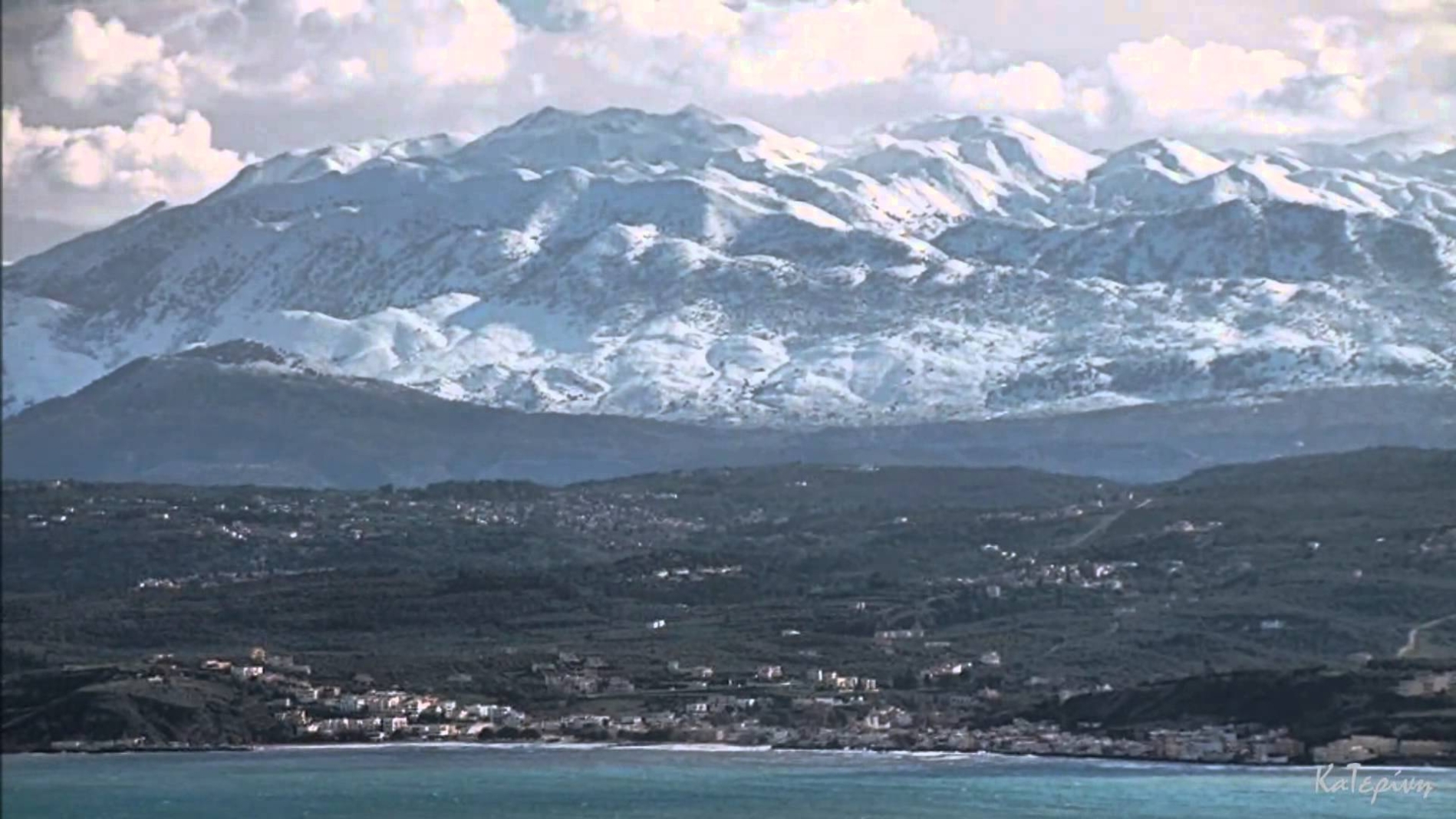
Psiloritis
Rising 2,456 meters, Psiloritis (also known as Mount Ida) is the highest mountain on Crete and the second highest in Greece, after Olympus. The mountain was sacred to the ancients the king of gods, Zeus, was supposedly born here. Various adventure sports agencies arrange one-day tours from Réthymnon and Heraklion. Most take you to a decent starting point and then begin a hike through the dramatic, rocky landscape, following a clearly marked path to the summit, which is crowned by the Chapel of the Holy Cross. It normally takes three or four hours to reach the top, and you will need to be reasonably fit, wear good walking boots, and bring plenty of water. The view from the summit is breathtaking, it overlooks the entire island as well as both the north and south coasts.
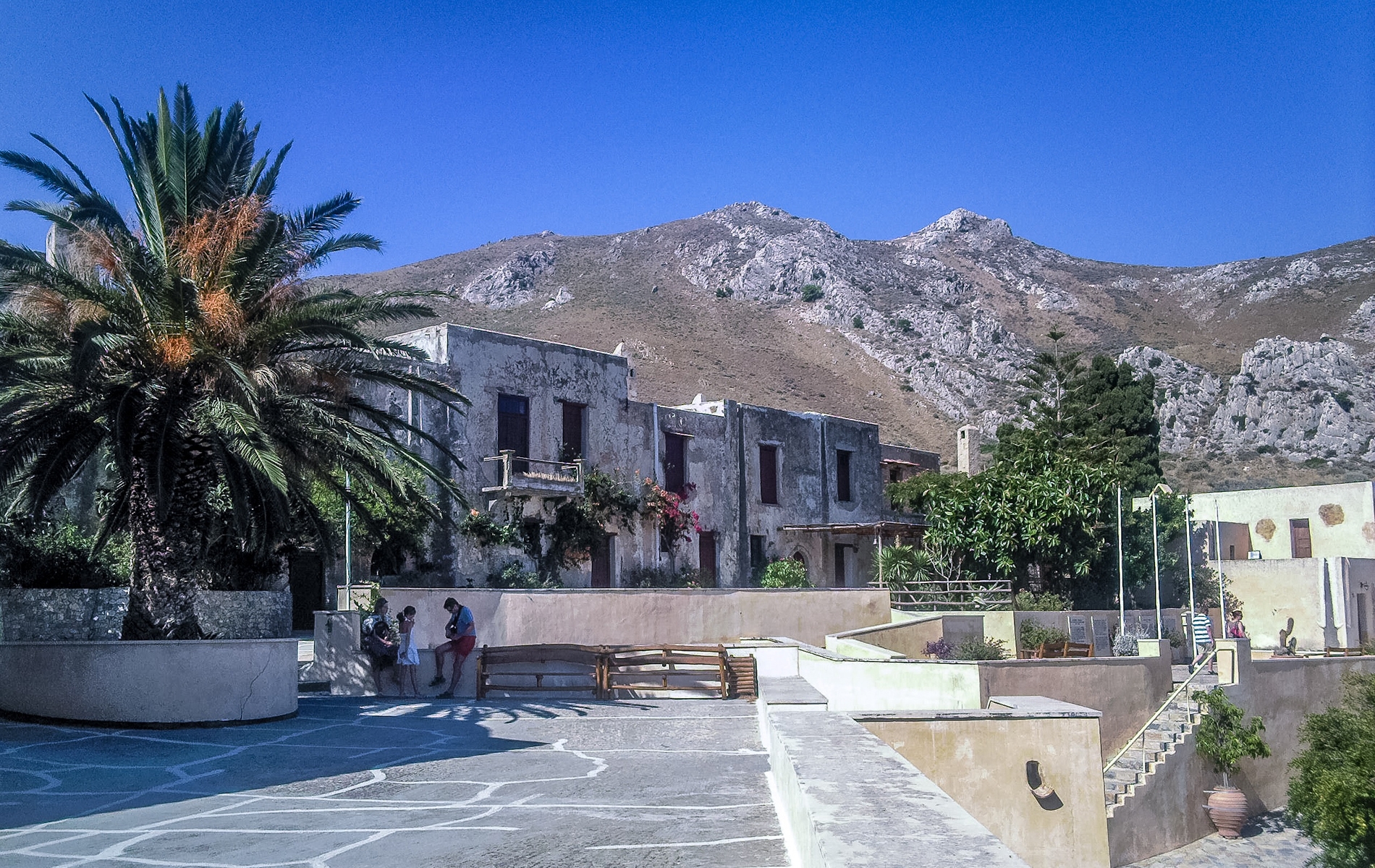
Preveli Monastery
On Crete isolated south coast, built into a remote hillside overlooking the Libyan Sea, Preveli Monastery lies 36 kilometers south of Réthymnon and is only accessible via a winding road through the mountains. Dating from the 17th-century, the monastery features a church and a small museum displaying icons and ecclesiastical paraphernalia. Outside stands a Memorial for Peace and Resistance, erected in 2002. During the Battle of Crete, in 1941, the monks at Preveli gave supplies and shelter to the Allies. The monument is composed of a large headstone, with an unusual statue of a priest (holding a machine gun) and a soldier (one of the Allies) standing to each side. From here you have absolutely stunning views down onto the sea.
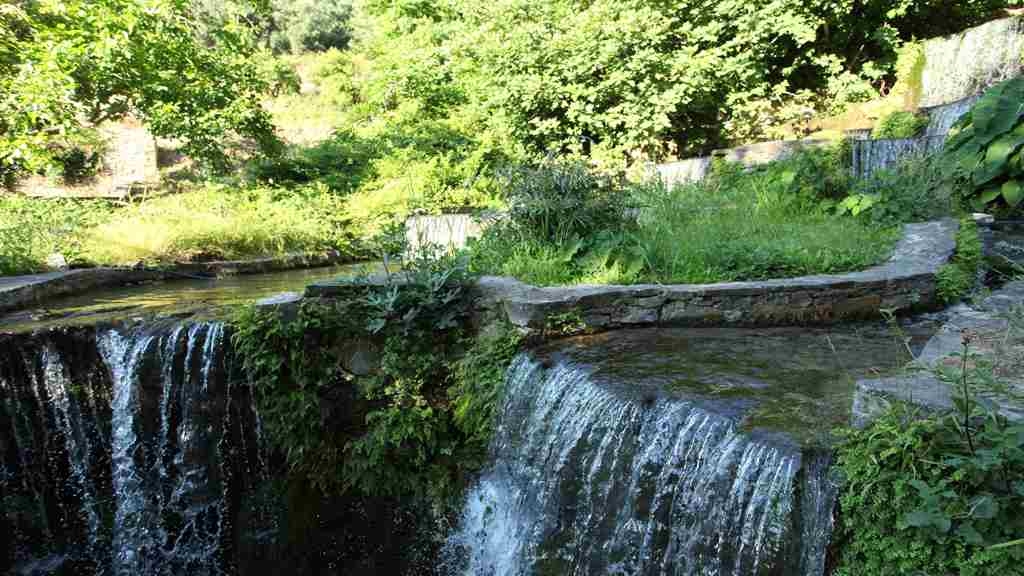
Argyroupoli
While the coast is very hot and crowded during summer, a short drive into the mountains brings you to peaceful rural villages where time has stopped. Lying 27 kilometers southwest of Réthymnon, Argyroupoli is especially cool and fresh due to countless small waterfalls rising from underground springs. Nestled amid lush greenery and trees, Argyroupoli has a rich history dating back to Roman times it was also much loved by the Venetians, and later became the center of Cretan resistance against the Turks. Today, it is particularly known for its excellent tavernas specialising in roast lamb, with open air dining on stone terraces under the trees and close to the waterfalls.
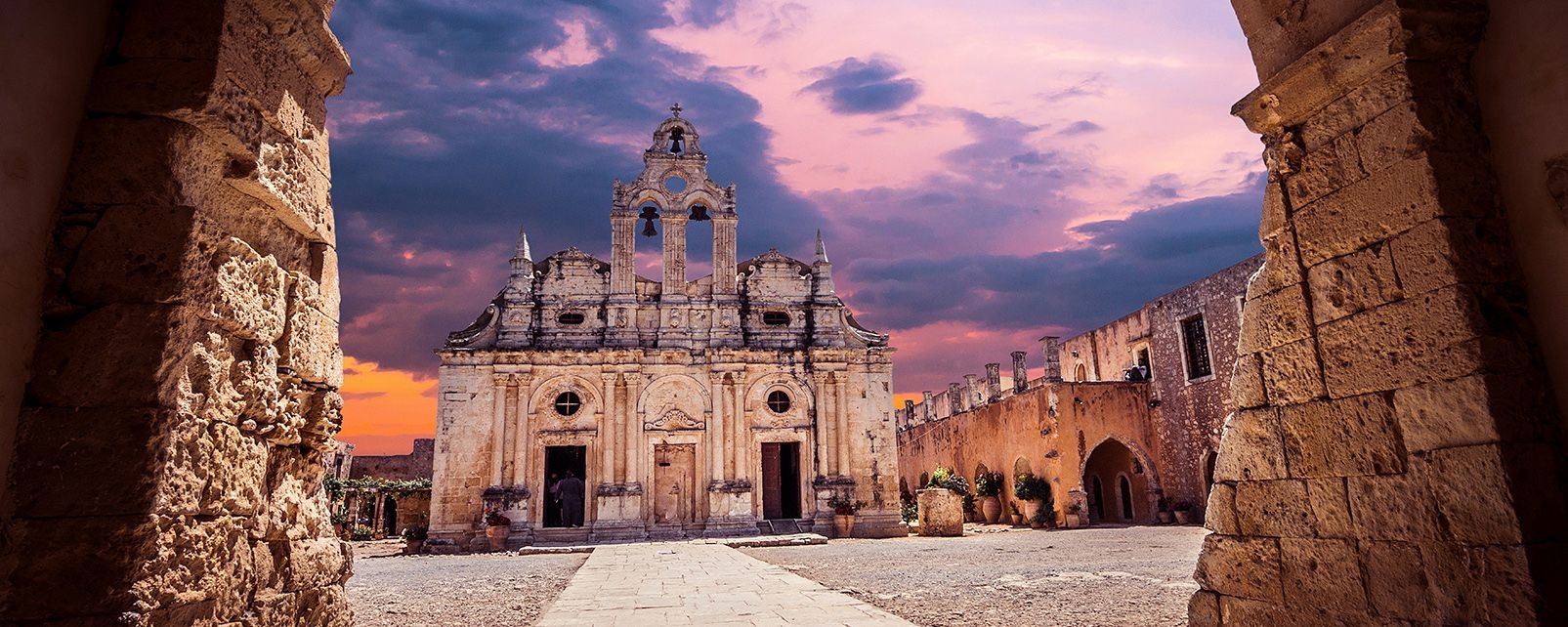
Arkadi Monastery
The Orthodox Church played an important role in liberating Greece from Turkish occupation. Set amid the rural foothills of Psiloritis (Mount Idi), 23 kilometers southeast of Réthymnon, this fortress-like 16th-century monastery is surrounded by high stone walls. Today, it’s a wonderfully peaceful place, with a delightful Baroque church and a rose garden, but it has not always been so. In 1866, the monastery became the central meeting place for Cretan revolutionaries, with the Abbot as chairman. During an uprising against the Turks, some 900 locals (mainly women and children), who had taken refuge here, chose to blow themselves up rather than surrender. Outside the monastery, their skulls are displayed in glass cabinets, as a haunting monument to their bravery.
Fortezza Castle
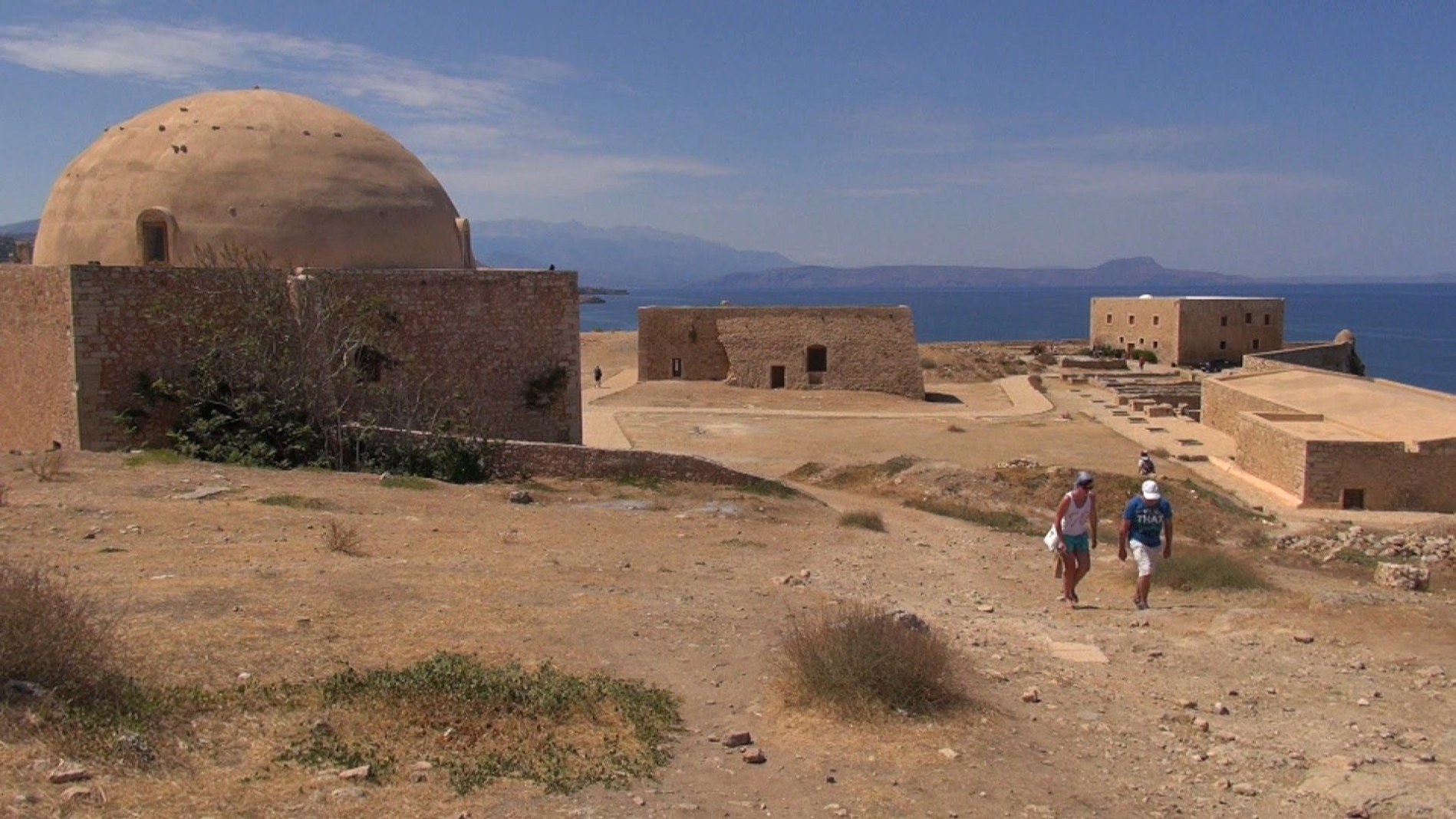
By the 16th century, the Ottoman Turks were fast advancing into Europe. Between 1573 and 1580, the Venetians built this enormous fortress, completed with sturdy bastions, to protect the island against Turkish invasion and also as a place where locals could take shelter, should the Turks take the town. Perched atop Paleokastro hill, immediately west of the old harbor, it affords marvelous views over Réthymnon old town and out to sea. On the highest point, note the mosque, originally a church, but converted into an Islamic place of worship by the Turks when they eventually conquered the town in 1646. There is also a small open-air theater, which hosts concerts in summer.
Rethymnon Old Town
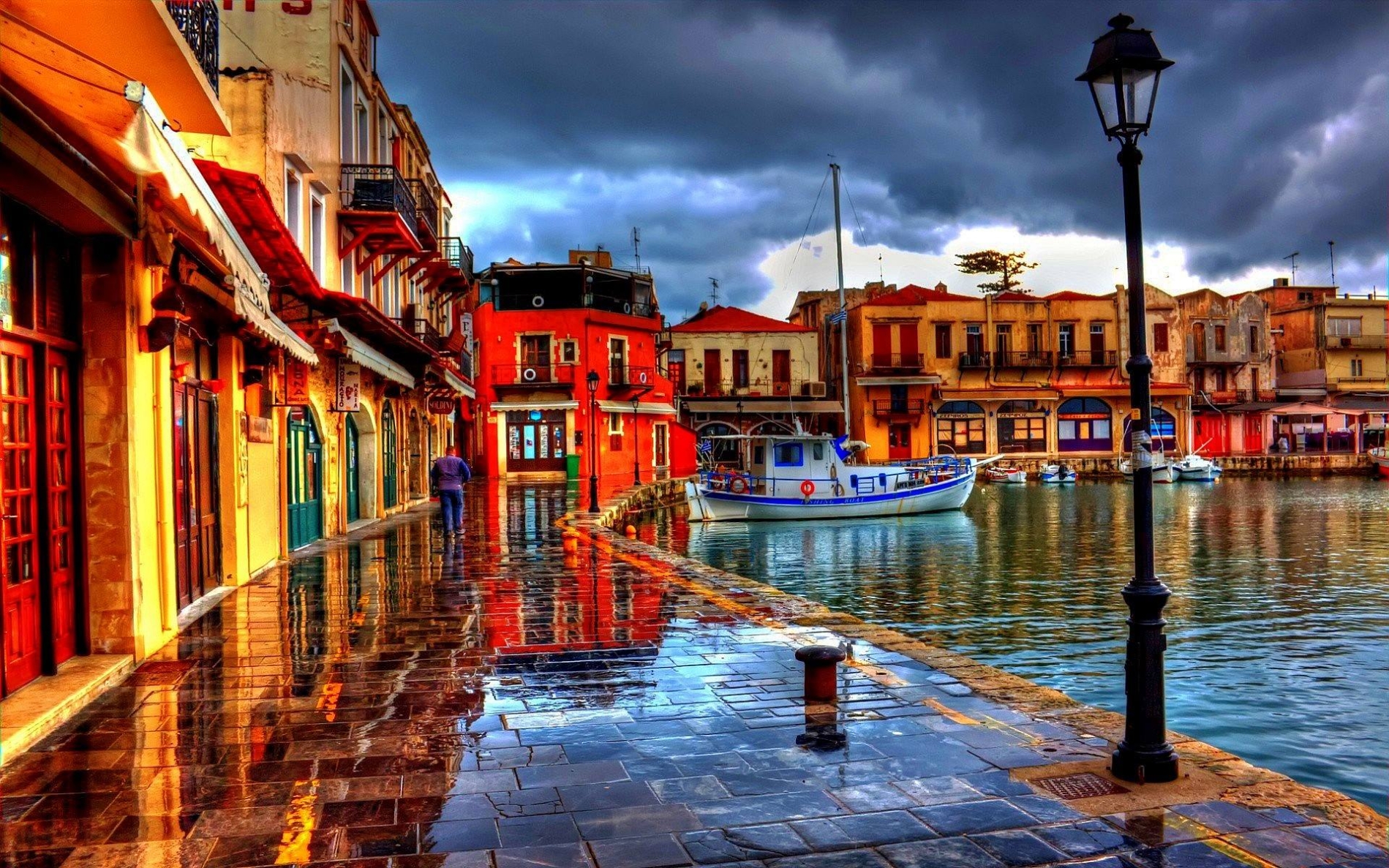
A joy to explore on foot, the cobbled streets of Réthymnon car-free old town take you back through the centuries. Laid out on a grid system, the mix of architectural styles reflects the town history, so you will see attractions such as the 16th-century Venetian loggia, the 17th century Rimondi Fountain with water gushing from the mouths of three stone lions, a towering Ottoman minaret from 1890, a smattering of contemporary graffiti, and modern day cafés and restaurants full of students. Sometimes styles are combined lovely pastel-colored Venetian-era town houses have wooden balconies added by the Turks. Today, the most touristy area is the old harbor, rimmed with pricey seafood restaurants, which is especially enchanting in the evening.
Archaeological Museum of Rethymno
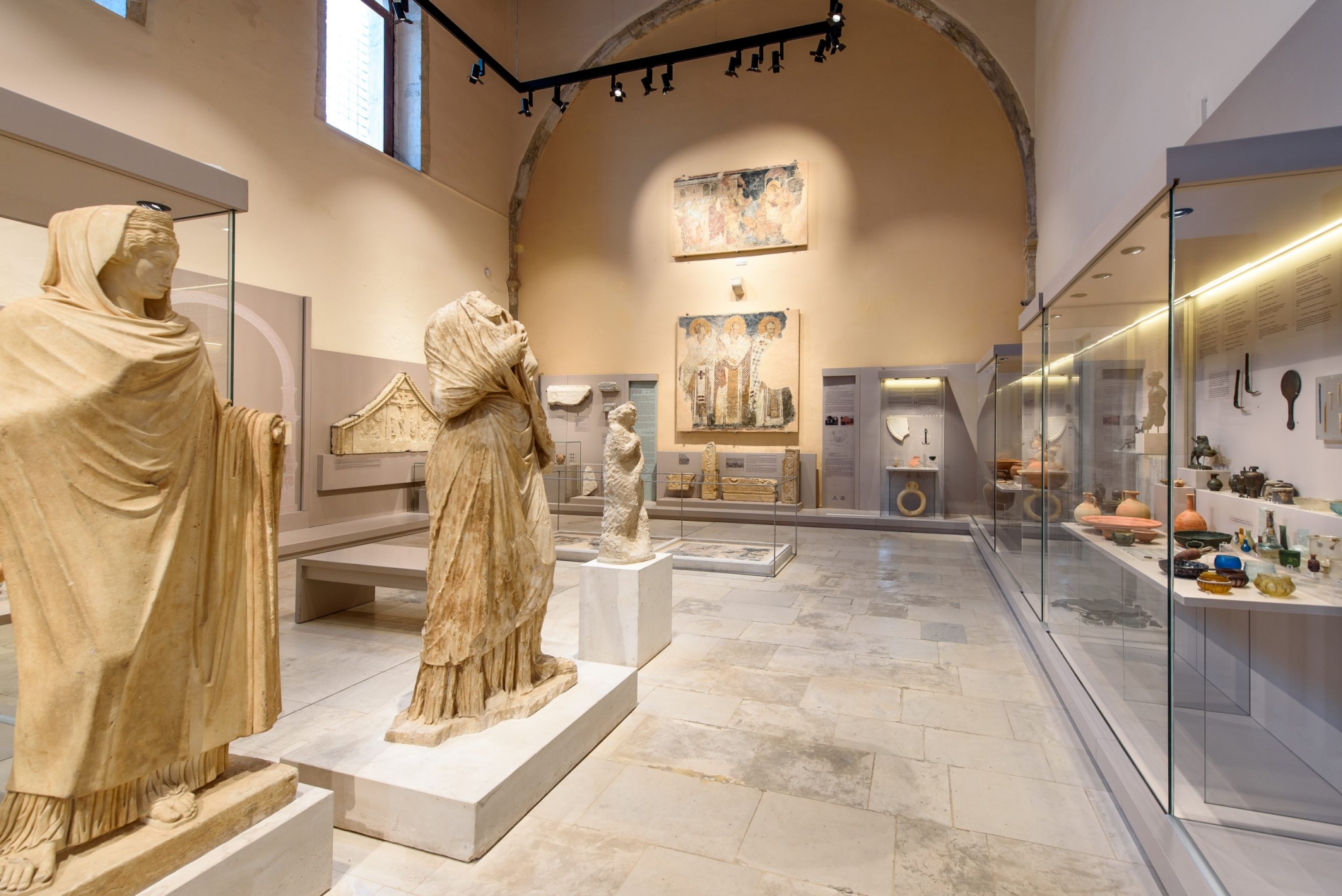
The Archaeological Museum in Rethymno Town, Crete: The Archaeological Museum of Rethymnon was founded in 1887 by the Society of Friends of Education. Since 1991, the museum is housed in the Pentagon bastion opposite the main entrance of Fortezza, while the gift shop of the museum is housed in Lotzia. The museum hosts findings from various ancient sites, caves, and excavations all over the prefecture of Rethymnon Crete.
These findings date from the Late Neolithic and Proto-Minoan times till the late Roman period. In particular, the exhibits include vessels, tools, figurines, collections of coins, weapons, helmets, ceramics, jewelry, marble statues, stele from ancient monuments, columns from temples, pieces of daily use and many other items connected with life in the ancient times. The exhibits are placed in chronological order and by excavation site.
Historical and Folk Art Museum of Réthymnon
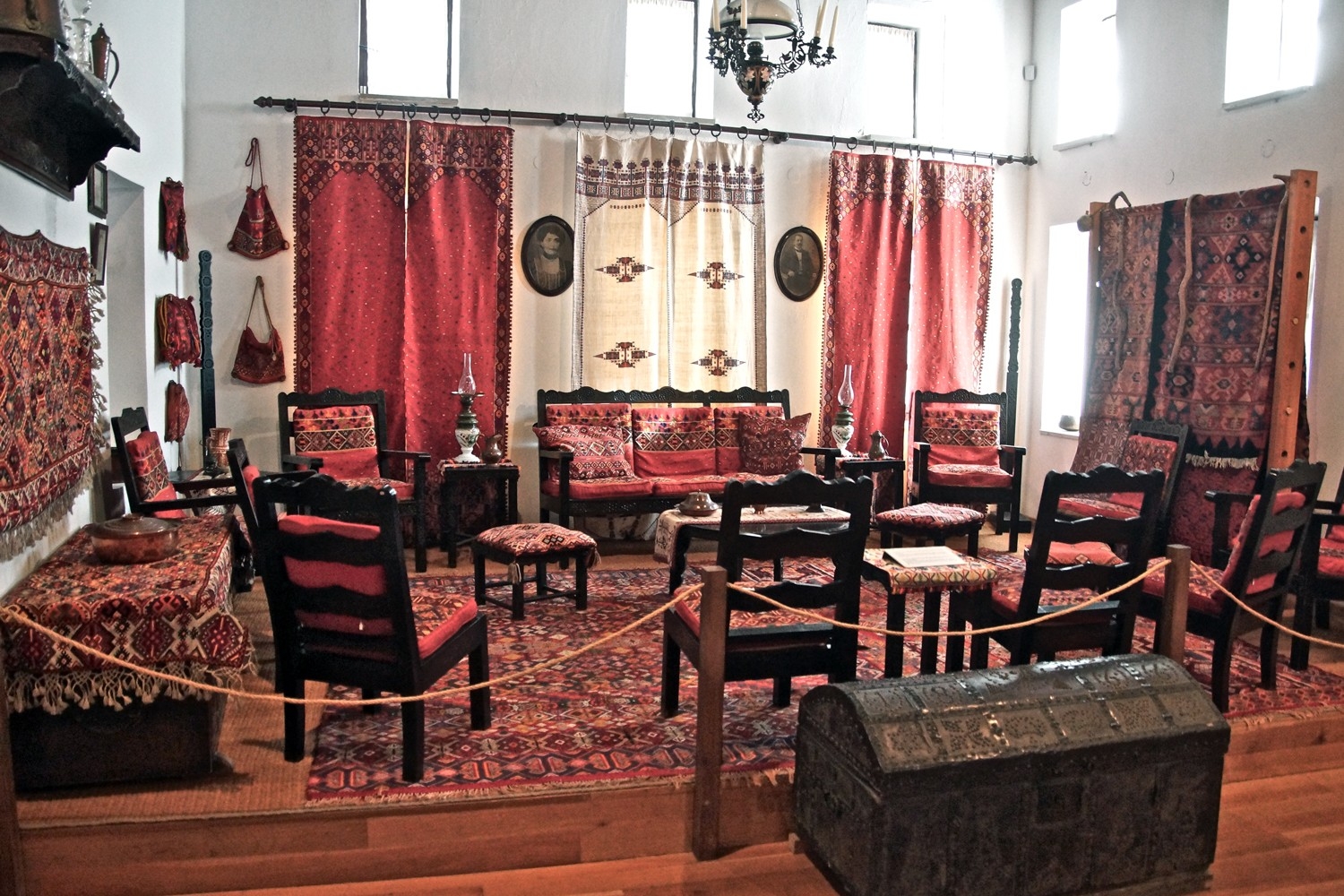
For insight into how the islanders once lived, tourists should visit this small museum in a typical 17th-century Venetian town house with an internal courtyard garden. Displayed in five rooms, the collection includes beautiful textiles, including woven fabrics, embroidery, and lacework, as well as pottery, baskets, weapons, coins, photographs, and maps. There are also mock-ups of traditional craftsmens workshops and businesses, such as a blacksmith, a potter, a weaver, and a baker.
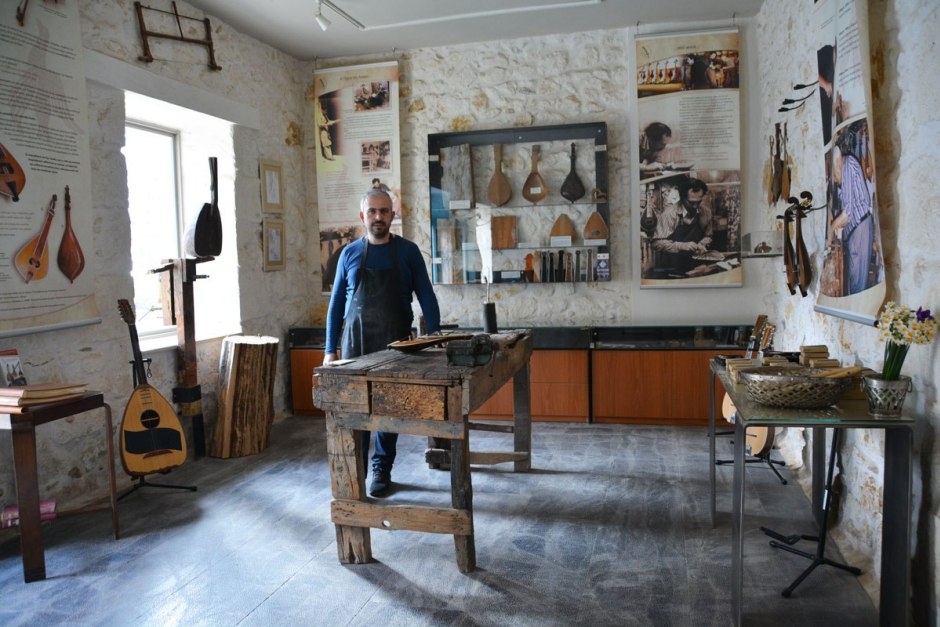
The Cretan Lyra Museum and Workshop in Rethymnon
In Rethymnon, the beautiful music and the making of the traditional Cretan lyra can be discovered at the Stagakis Museum.
For three generations, the Stagakis family has “created” music special to Crete. It started with Manolis Stagakis. He began making the pear-shaped, three-stringed bowed musical instrument called the Cretan lyra, and his quality craftsmanship throughout his career has earned him a name in Crete.
Three Generations
Dimitris’ son Manolis took on the profession of making the Cretan lyra as well. Like his father, he creates each piece from scratch. Using quality wood and materials, he brings each unique lyra to life.
Manolis’ son, who is named Dimitris is also taking on the knowledge his grandfather passed down to his father.
The Cretan Lyra
The lyra’s sounds are synonymous with Crete and other islands in Greece. What makes the Cretan lyra special is that is still widely played today, the most popular surviving form of the medieval Byzantine lyra. In fact, Dimitris Stagakis is credited with making the first modern form of the lyra in the 1940s.
The Stagakis family has made more than 4,500 lyra instruments to date. Their handcrafted works are known for their amazing sound output and their beautiful designs. Some of the best Cretan musicians play Stagakis lyras.
Visit the Stagakis Museum
At the Stagakis Museum, you can find a small permanent exhibition of what the Stagakis family has accomplished over 65 years and learn more about the lyra and other Greek instruments. There are also many examples of Cretan lyra and you can admire some recently finished masterpieces. Here, you can also learn about other stringed instruments associated with Crete including the mandola, bouzouki and tzuras.
If you happen to be at the museum when Manolis and his son Dimitris are there, you may be invited to watch them do what they do best - creating these beautiful instruments. Sometimes, there will be Cretan musicians around who will be playing the instruments and singing together. You’ll be in on a mini Cretan concert!
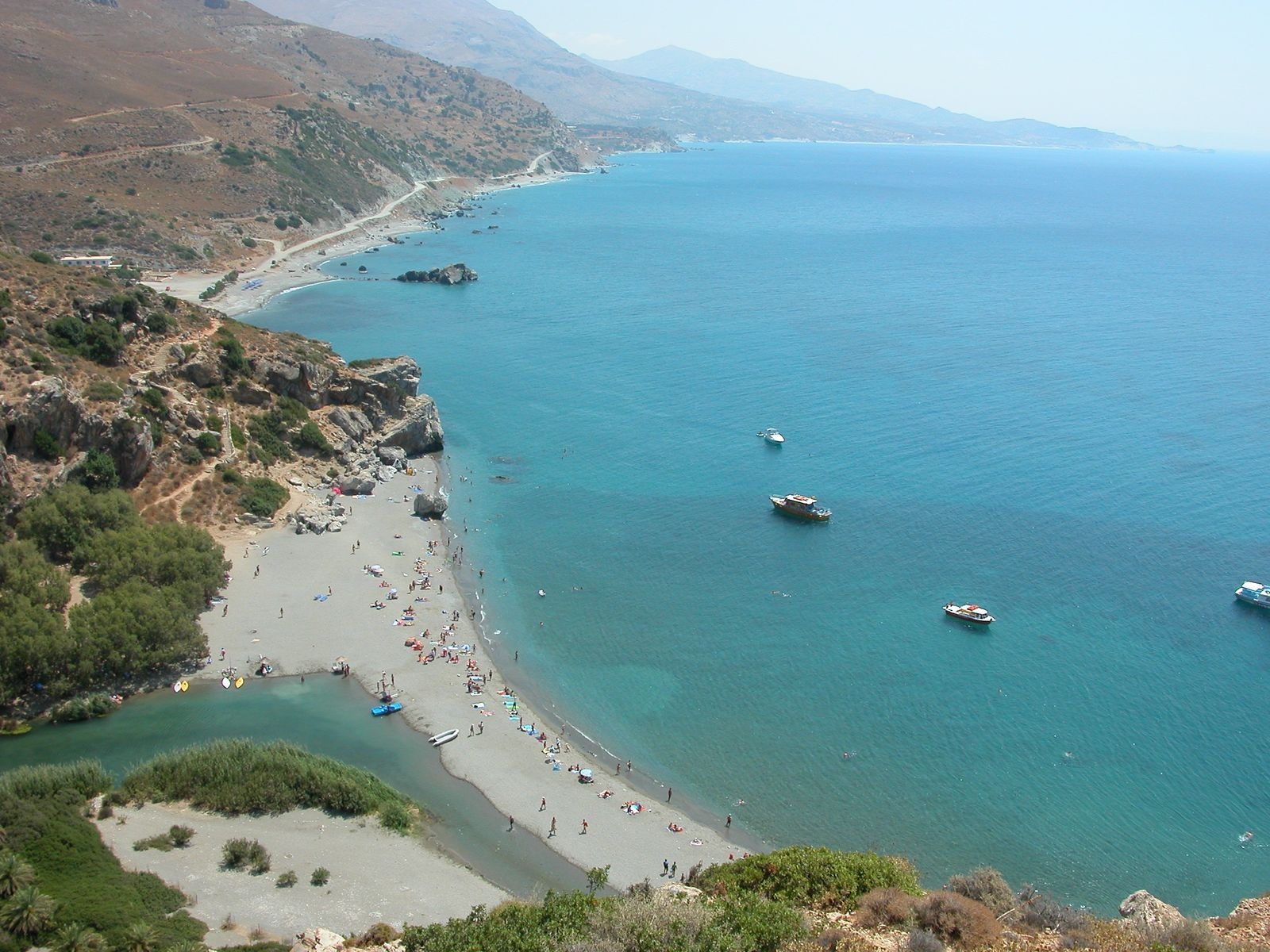
Preveli beach
Some of Crete most beautiful beaches are on the remote south coast extending to the Libyan Sea. Hidden away below Preveli Monastery, this fine pebble beach lies at the mouth of a river and is backed by a lush palm grove. If you walk up the gorge, through the palms, you will find a small waterfall. The beach itself is quite difficult to reach, with a narrow, rocky path leading along the coast from the car park and then a long flight of steps. A small taverna on the beach sells snacks and rents sunbeds. The palms were seriously damaged by fire in 2010, but have naturally regenerated since.
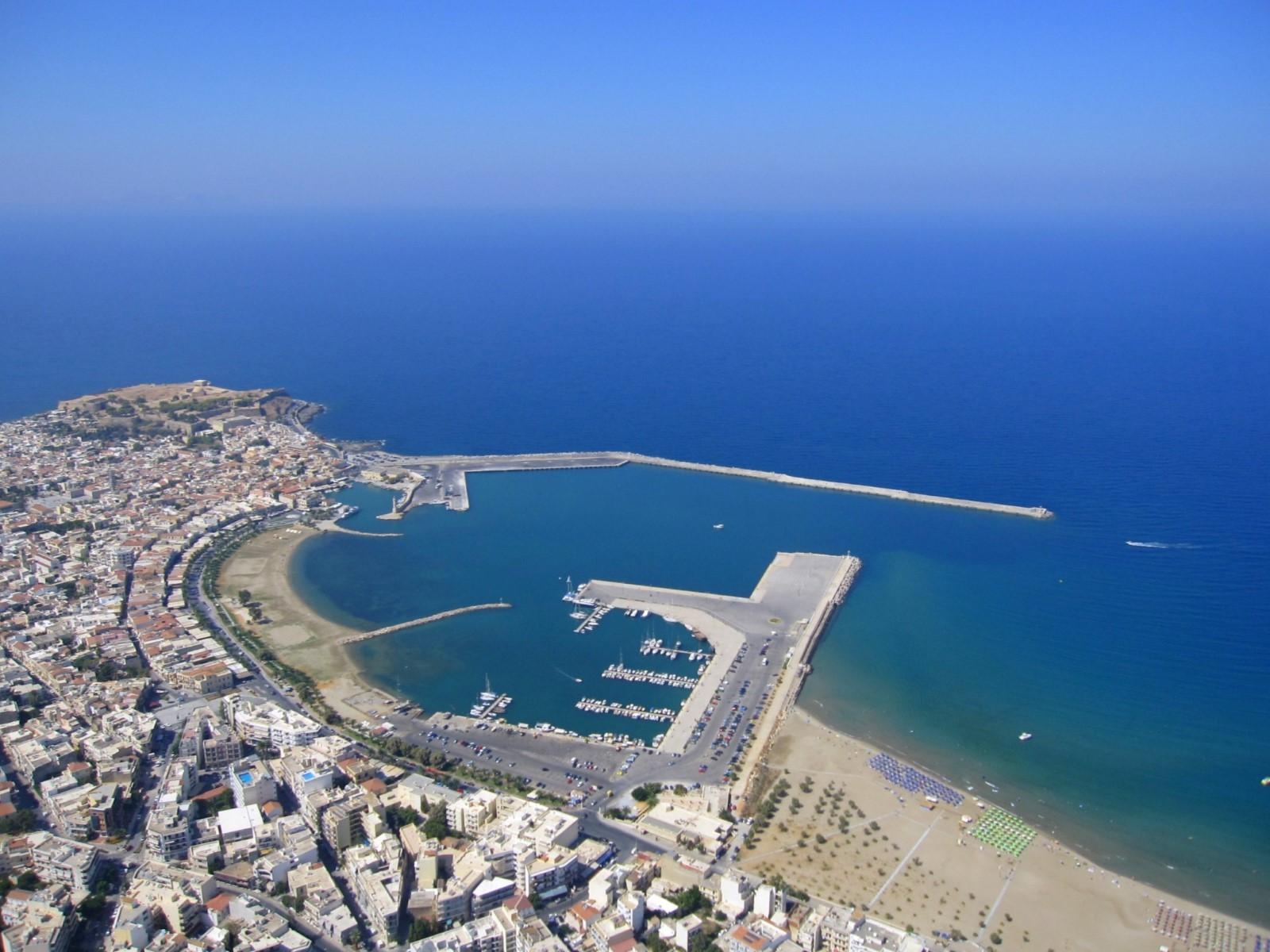
Rethymnon Beach
The sandy beach of Rethymno city is located just 500m east of the city centre, next to the Venetian port. It is a lovely beach with golden sand and crystal clear shallow water, very well organized and close to all amenities of the city. It is actually the westernmost end of the 13km long beachfront of Rethymno Bay, which stretches east all the way to Skaleta. The vast beach is always busy, but never seems too crowded..Along the beach runs the city seafront road, Eleftheriou Venizelou Str., which is also ideal for evening walking.
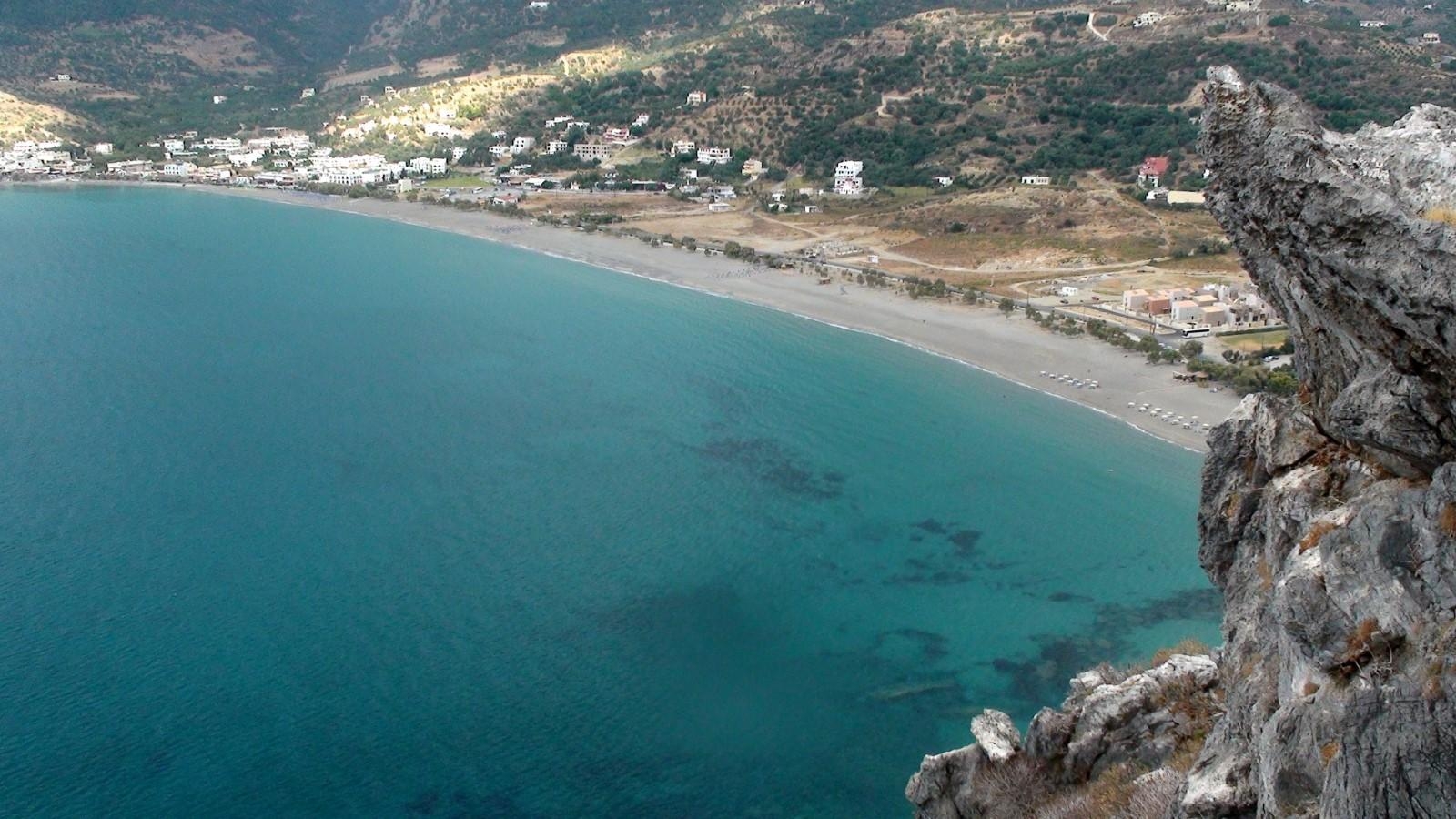
Plakias Beach
Plakias is a popular tourist resort, located 36km south of Rethymno city, at the exit of a fertile valley south of the range Kouroupa. Next to it empties the river Kotsifos. One of the major growth drivers of the region is the long beachfront, known as Gialia. The main beach starts near the town and extends to the east for 1.3km, up to Cape Mouri. It is a well organized beach, with cool green waters. Along the beach there is a road, ideal for walking or cycling. Along this road there are several restaurants and hotels, while on the beach there are tamarisk trees, umbrellas, water sports, beach volley courts, snack bars, changing rooms, showers, etc.